
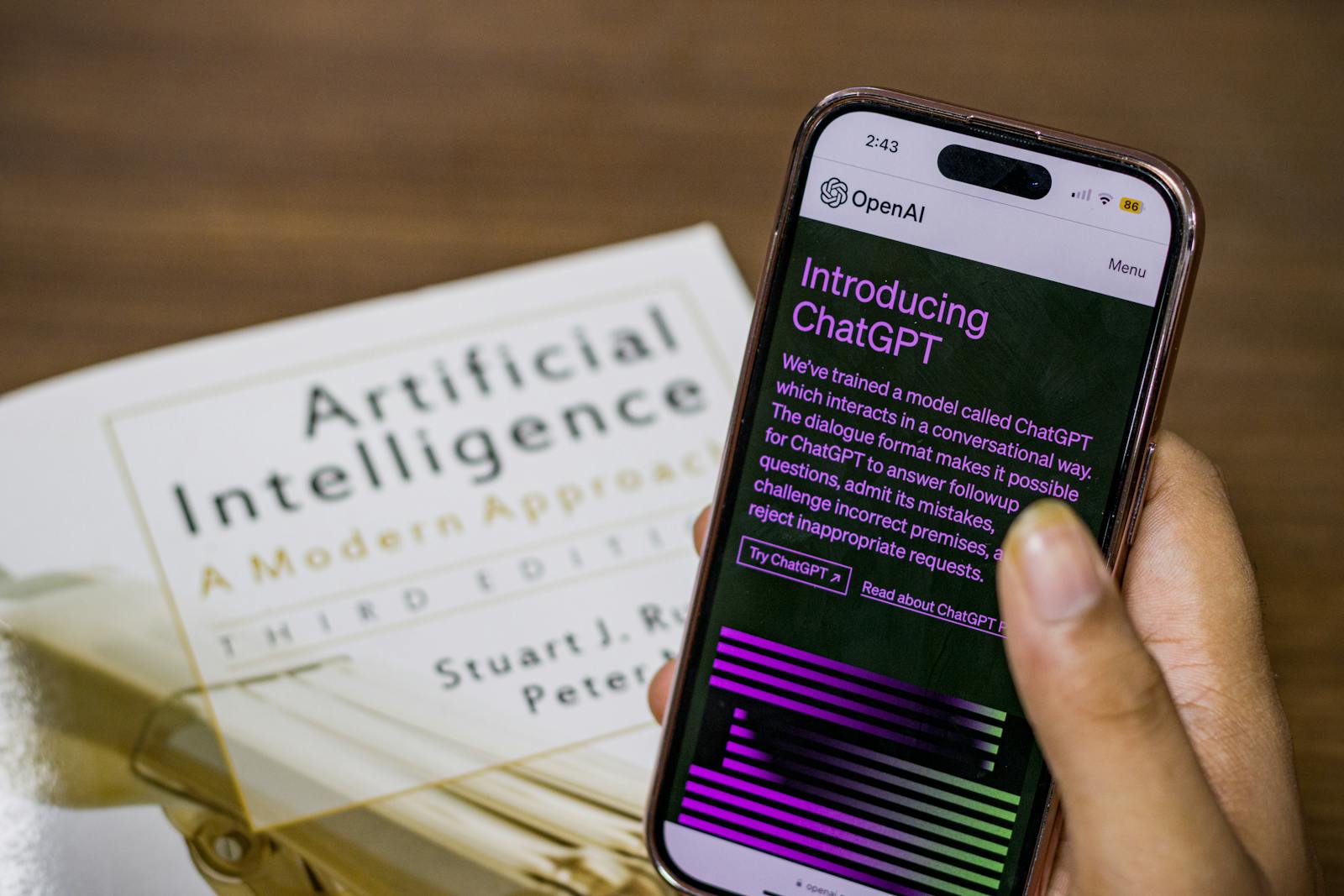
Every business owner’s inbox is drowning in it. LinkedIn is saturated with it. Conference speakers can’t stop talking about it. AI, AI, AI. The promise is always the same: revolutionary transformation, unprecedented efficiency, game-changing results. But here’s what nobody tells you: sometimes the most powerful solution for your business isn’t AI at all—it’s a well-implemented API integration that just works, every single time.
After 14 years of building custom integrations for businesses, we’ve developed a simple framework to help you cut through the noise and make the right choice for your specific workflow challenges.
Step 1: Define Your Outcome Requirements
Before evaluating any technology, answer this critical question: Do you need consistency or creativity?

If your workflow requires the exact same outcome every time—like syncing customer data between your CRM and accounting software—you need deterministic processing. This is where API integration excels. Traditional automation doesn’t guess, improvise, or interpret; it executes precisely what you programmed it to do.
Conversely, if you’re generating marketing content variations, analyzing sentiment in customer feedback, or creating personalized recommendations, AI’s probabilistic nature becomes an asset rather than a liability.
Real-World Test:
- Choose API integration when: A mistake would create serious business consequences (billing errors, compliance issues, inventory discrepancies)
- Consider AI when: You need variety, personalization, or human-like interpretation where minor variations are acceptable
Step 2: Map Your Data Security Requirements
Here’s an uncomfortable truth about AI: when you send data to most AI services, you’re sharing it with third-party systems. Your customer information, proprietary processes, and business intelligence pass through external servers.

API integrations between your existing software systems keep your data within your controlled environment. When you connect your e-commerce platform to your fulfillment system via API, customer data travels directly from point A to point B—no detours, no external processing.
Ask yourself: Am I comfortable with this data potentially being used to train AI models or passing through third-party infrastructure? If the answer is no, API integration is likely your path forward.
Step 3: Evaluate Your Need for Predictability

Consider this scenario: An AI tool might analyze your customer’s purchase history and suggest sending them a promotional email about complementary products. That’s helpful. But an API integration ensures that email actually gets sent to the right person, with the correct pricing, at precisely 9 AM on Tuesday when your analytics show the highest open rates—and it does this automatically, every single week, without fail.
AI excels at recommendations and insights. APIs excel at execution and reliability.
The Hybrid Approach:
The most sophisticated solution often combines both: AI generates the personalized content recommendations, while API integration handles the reliable delivery, data synchronization, and workflow automation. You get creativity where it matters and consistency where it counts.
Step 4: Calculate Your True Requirements
Not every workflow problem requires cutting-edge technology. Sometimes you’re paying for AI capabilities you’ll never use when a straightforward API integration would solve your problem at a fraction of the cost.

Before implementing any solution, document:
- The specific problem you’re solving (not the technology you think you need)
- The consequences of errors or inconsistency
- Whether you need the same result every time or varied outputs
- Your data security and compliance requirements
- Your budget for both implementation and ongoing maintenance
Make the Right Choice for Your Business

The technology landscape doesn’t need to be confusing. With 14 years of experience implementing both AI solutions and API integrations for businesses like yours, we can help you cut through the hype and identify exactly what your workflow actually needs.
Book a free 30-minute consultation where we’ll assess your specific situation and recommend whether AI, API integration, or a hybrid approach makes the most sense for your business goals. No sales pitch—just practical expertise and honest recommendations.
Because the best technology isn’t the newest or most buzzworthy—it’s the one that reliably solves your actual problem.